The Role of Drone Technology in Enhancing Last-Mile Delivery for the Healthcare Industry
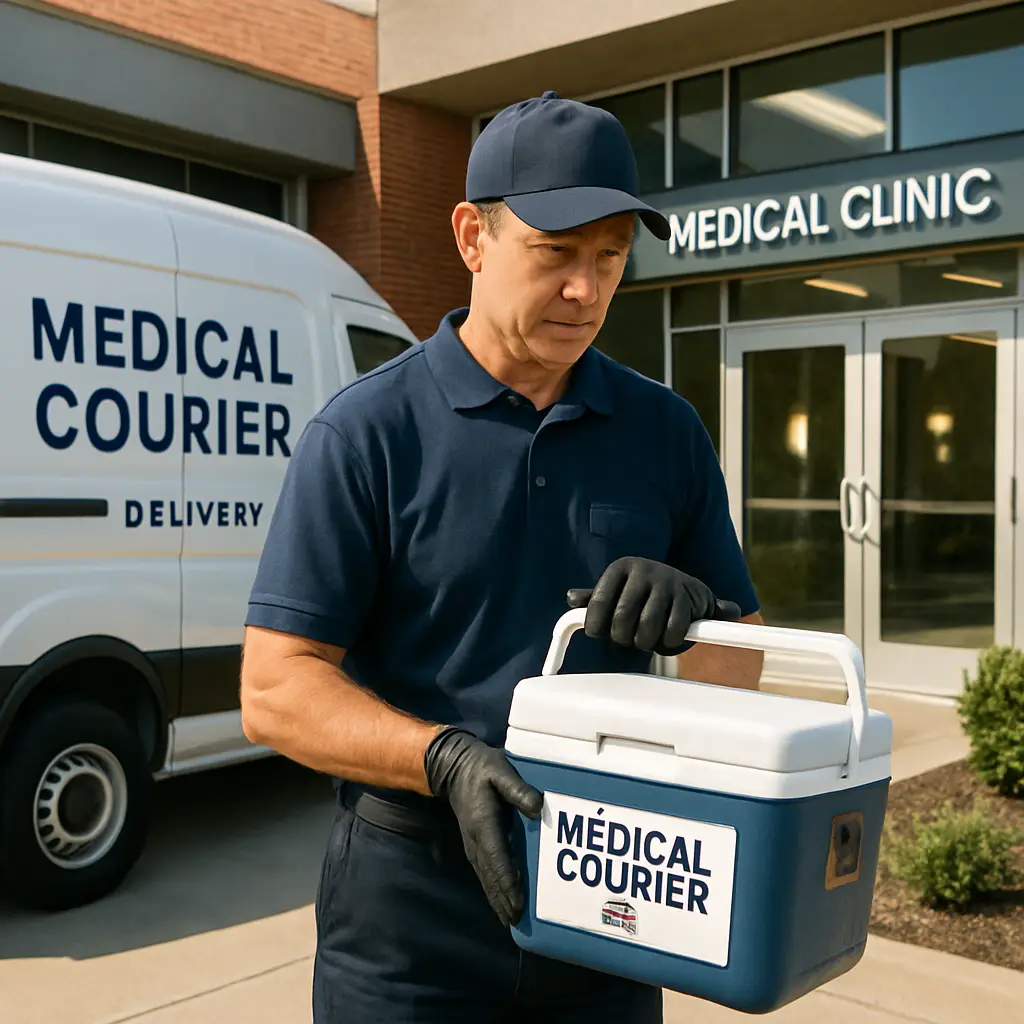
In the fast-paced world of healthcare logistics, ensuring that medical supplies, specimens, and essential equipment reach their destination promptly is crucial. As the demand for STAT medical courier Jacksonville and same day medical courier services continues to rise, the integration of drone technology has emerged as a promising advancement in last-mile delivery. This article explores how drones are revolutionizing healthcare deliveries and the implications for the industry.
Understanding Last-Mile Delivery in Healthcare
Last-mile delivery refers to the final leg of the delivery process, where goods are transported from a transportation hub to their final destination. In the healthcare sector, this often involves the urgent movement of medical specimens, pharmaceuticals, and critical supplies to clinics, hospitals, and laboratories. Ensuring rapid and reliable last-mile delivery is vital, as delays can directly impact patient care and treatment outcomes.
The Promise of Drone Technology
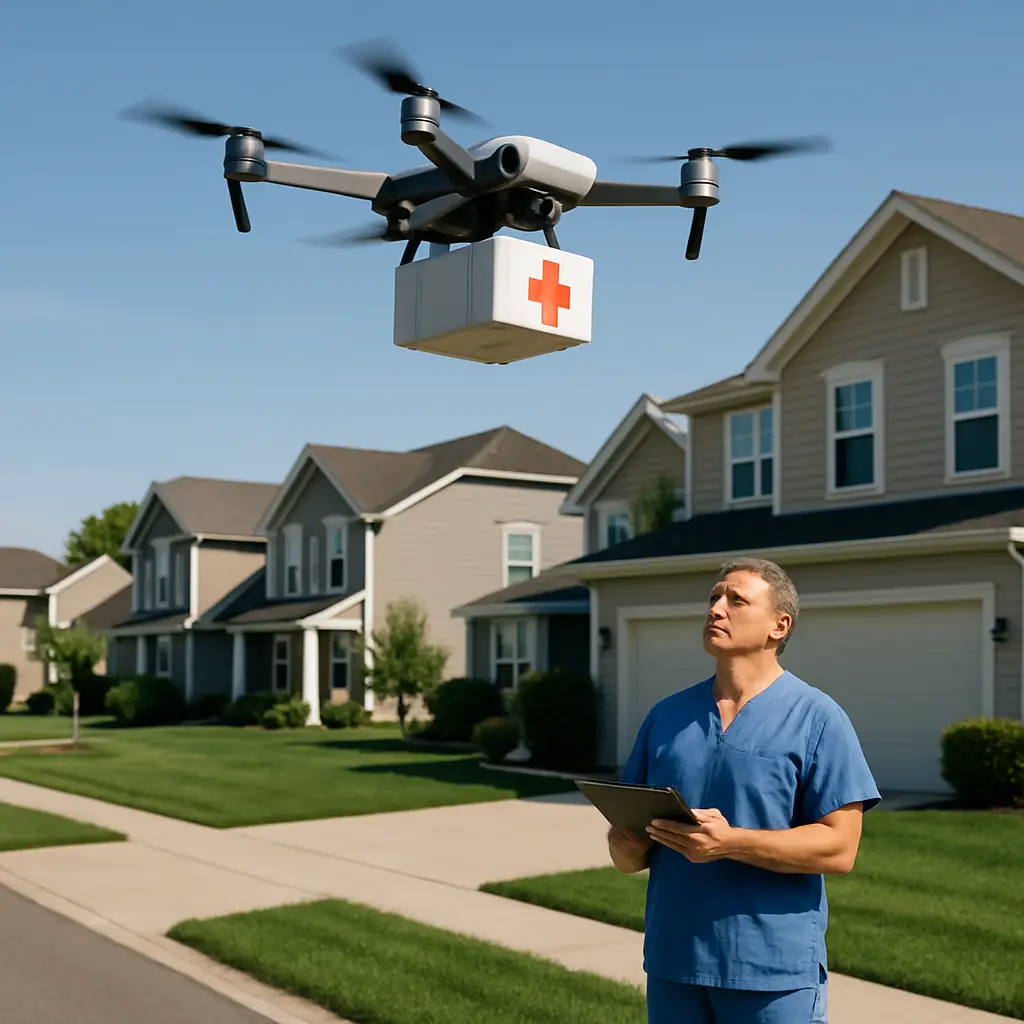
Drones offer a unique solution to the challenges faced in last-mile healthcare delivery. By leveraging aerial routes, they can bypass conventional traffic congestion, reducing delivery times significantly. This capability is particularly beneficial in urban environments like Jacksonville, where road traffic can pose substantial delays to urgent medical delivery services.
Speed and Efficiency
One of the primary advantages of drone technology is its ability to deliver small, time-sensitive packages quickly and efficiently. Drones can cover distances at a faster pace compared to traditional ground transportation, making them ideal for urgent medical delivery in Jacksonville. Their ability to fly directly to a destination reduces the time taken to deliver critical medical supplies, thereby enhancing response times in emergencies.
Dependability and Continuity
Drone technology also enhances the dependability of medical deliveries. With fewer variables affecting their path, drones can provide more consistent delivery times, a critical factor for healthcare facilities that rely on precise timing for specimen collection and medication delivery. This consistency ensures operational continuity, which is essential for maintaining the high standards of care expected in the healthcare industry.
Overcoming Challenges
While the benefits of drones are evident, there are challenges to widespread adoption in healthcare logistics. Regulatory considerations, airspace management, and the integration of drones into existing delivery frameworks are areas that require careful planning and execution. Additionally, ensuring the safety and security of medical payloads during transit is paramount.
Communication and Coordination
Effective communication and coordination between healthcare facilities and drone operators are essential for successful integration. Developing robust protocols and leveraging advanced communication technologies can help streamline operations. These measures will ensure that drones can efficiently complement traditional delivery methods, providing a seamless experience for healthcare providers.
The Future of Drone Delivery in Healthcare
As drone technology continues to evolve, its role in healthcare logistics is expected to expand. Future advancements may include larger payload capacities, longer flight ranges, and enhanced navigation systems. These improvements will further solidify the position of drones as a critical component of emergency courier services in Jacksonville and beyond.
For healthcare facilities considering the integration of drone technology into their logistics strategy, partnering with a rapid medical courier service that embraces innovation can provide a competitive edge. Staying informed about the latest developments and regulatory changes will be key to leveraging drones effectively in the future.
Conclusion
Drone technology represents a significant leap forward in enhancing last-mile delivery in the healthcare industry. By improving speed, efficiency, and reliability, drones have the potential to transform the logistics landscape, ensuring that critical medical supplies reach their destinations without delay. As the technology matures and regulatory frameworks adapt, the integration of drones into healthcare logistics will likely become an integral part of service delivery, offering unparalleled benefits to healthcare providers and patients alike.
For more information about how AQualiT Med Courier is incorporating innovative solutions to improve healthcare delivery, visit our website.